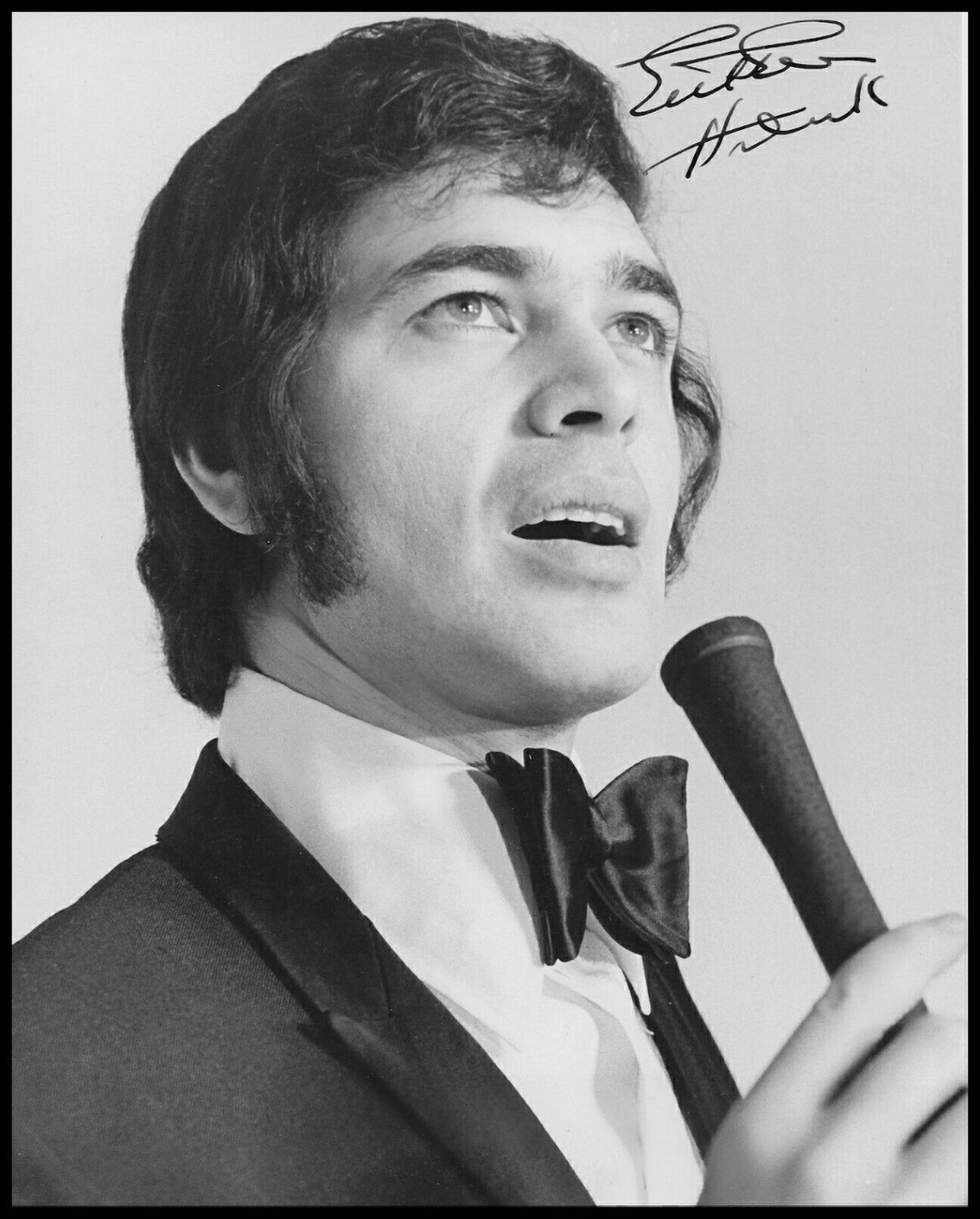
A Love Song About Letting Go… That Saved a Career
Year of Release & Songwriters
-
Written: 1949
-
Songwriters: Eddie Miller, Robert Yount, Dub Williams
-
Engelbert Humperdinck’s legendary version: Released in 1967, becoming his worldwide breakthrough hit
This song didn’t just become a hit — it changed the course of his life.

1. Main Theme of the Song
“Release Me” is not a song about hatred, betrayal, or anger.
It is a quiet confession — a man gently asking for freedom from a love that no longer lives in his heart.
The narrator admits:
-
His heart now belongs to someone else
-
Staying would only deepen the pain
-
Letting go is the only honest path left
It’s the story of someone choosing truth over comfort, even when truth hurts.
2. The Story and Background Behind the Song
Originally, “Release Me” was recorded by several country singers in the 1950s. It was a sad but modest ballad — nothing extraordinary.
Then in 1967, Engelbert Humperdinck performed it on British television. At that time, he was nearly ready to give up on his career. Nothing had worked.
That one performance changed everything.
The public fell in love with:
-
His deep, trembling voice
-
His emotional delivery
-
The quiet heartbreak in his eyes
The song shot to No.1 in the UK, stayed there for six weeks, and unexpectedly blocked The Beatles from the top position at the height of their fame.
One song turned a nearly forgotten singer into a global romantic icon.
3. Emotional Meaning & Message
At its core, “Release Me” speaks about:
-
Honesty in love
-
The courage to admit emotional change
-
Setting someone free instead of holding them hostage in a loveless relationship
It says:
-
Love should never be a prison
-
Staying without love is a silent cruelty
-
Sometimes, the kindest thing you can do is walk away
This song teaches that love is not only about staying — sometimes love is about letting go.
4. Why the Song Touches So Many Hearts
There are several reasons why “Release Me” still breaks hearts decades later:
🎼 The Waltz Rhythm
The slow 3/4 tempo feels like two people sharing one last dance before saying goodbye.
🎤 Engelbert’s Voice
His voice is:
-
Warm but trembling
-
Strong yet vulnerable
-
Masculine but deeply emotional
He doesn’t cry out — he pleads softly, which makes the song far more painful.
💔 No Blame, No Anger
He never accuses the person he is leaving.
The guilt is his alone.
That emotional maturity makes the heartbreak feel real, human, and devastating.
5. Two Key Lines (Paraphrased in Story Form)
Instead of quoting lyrics directly, the meaning can be felt like this:
-
“Please let me go… my heart is no longer yours.”
-
“I have found another love, and I cannot live a lie anymore.”
These words carry:
-
Confession
-
Guilt
-
Responsibility
-
And painful honesty
It is the sound of a man breaking both someone else’s heart—and his own.
6. Nostalgia, Love & Timeless Value
For many listeners, especially those from the 1960s–70s generation, “Release Me” is tied to:
-
Late-night radio memories
-
Living room record players
-
Slow dances in dimly lit halls
-
First loves, divorces, silent affairs, and emotional goodbyes
It reminds us that:
-
Not all heartbreak is loud
-
Some goodbyes are whispered
-
Some love stories end with quiet dignity instead of explosive tragedy
Final Reflection
“Release Me” is not a song about leaving.
It is a song about:
-
Choosing truth over comfort
-
Respect over deception
-
Freedom over emotional captivity
And perhaps that is why it still lives in people’s hearts.
Because almost everyone, at some point in life, has wanted to say—or hear—those same painful words:
“Release me… and let us both be free.”