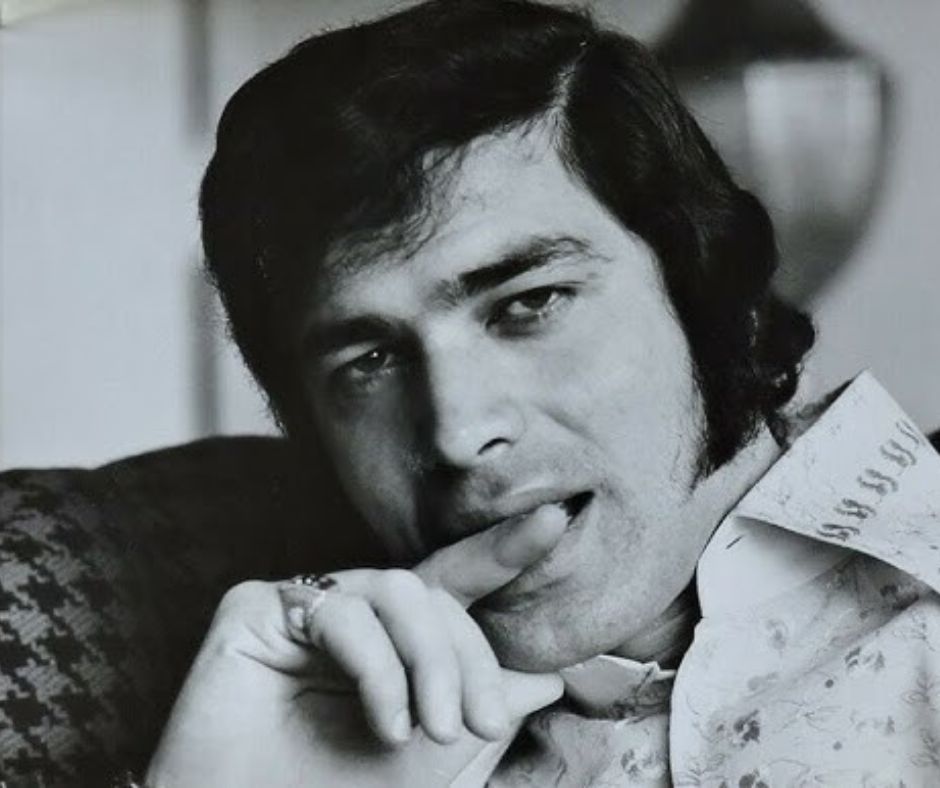
Few singers could turn heartbreak into elegance quite like Engelbert Humperdinck. In 1967, when he recorded “Am I That Easy To Forget”, he wasn’t just singing about loss — he was crafting a portrait of a man who hurts quietly, with grace.
The song, written by Carl Belew and W.S. Stevenson, had been recorded before by several country artists. But it wasn’t until Engelbert reimagined it with his signature velvet tone and orchestral arrangement that it became timeless. Released at the height of his fame following “Release Me”, this ballad confirmed that he wasn’t just a pop star — he was a romantic storyteller.
The crooner who sang with dignity
While many breakup songs relied on despair or anger, Engelbert’s version was different. He didn’t plead, nor accuse. Instead, he asked the question — “Am I that easy to forget?” — with quiet disbelief. Behind his calm delivery was a voice trembling with restraint, making listeners feel the pain between every breath.
This ability to hide heartbreak beneath sophistication became his signature. In interviews, Engelbert later admitted that during those early years, he was struggling to balance fame with personal sacrifice — long tours, sleepless nights, and the distance from home. Yet on stage, he always appeared immaculate: tuxedo, smile, and that gentle bow before the orchestra began.
When vulnerability became a brand
The late ’60s saw pop idols chasing youth and rebellion. Engelbert went the opposite way — embracing timeless romance. “Am I That Easy To Forget” wasn’t trendy; it was sincere. And sincerity became his brand. His fans, especially women across Europe and Asia, found comfort in the gentleness he represented — a man who could love deeply and still forgive.
Critics often called him “the last gentleman of love songs.” But Engelbert never saw himself as a symbol; he simply sang what felt true. The orchestration, the slow tempo, and the controlled vibrato were his tools of honesty.
Legacy of the song
More than five decades later, the song remains one of his most-requested numbers at concerts. Its universal question — about being forgotten — still resonates with audiences who have loved and lost.
When Engelbert performed it during his Las Vegas shows, the lights would dim, and for a few minutes, time seemed to slow down. He once said, “That song isn’t about sadness. It’s about remembering someone with tenderness — even if they’ve moved on.”